Engine Diagnostics in Cape Coral, FL
Engine diagnostics is a systematic test of compression, spark, fuel flow and carburetion that pinpoints why a small engine runs poorly before any repair work is quoted.
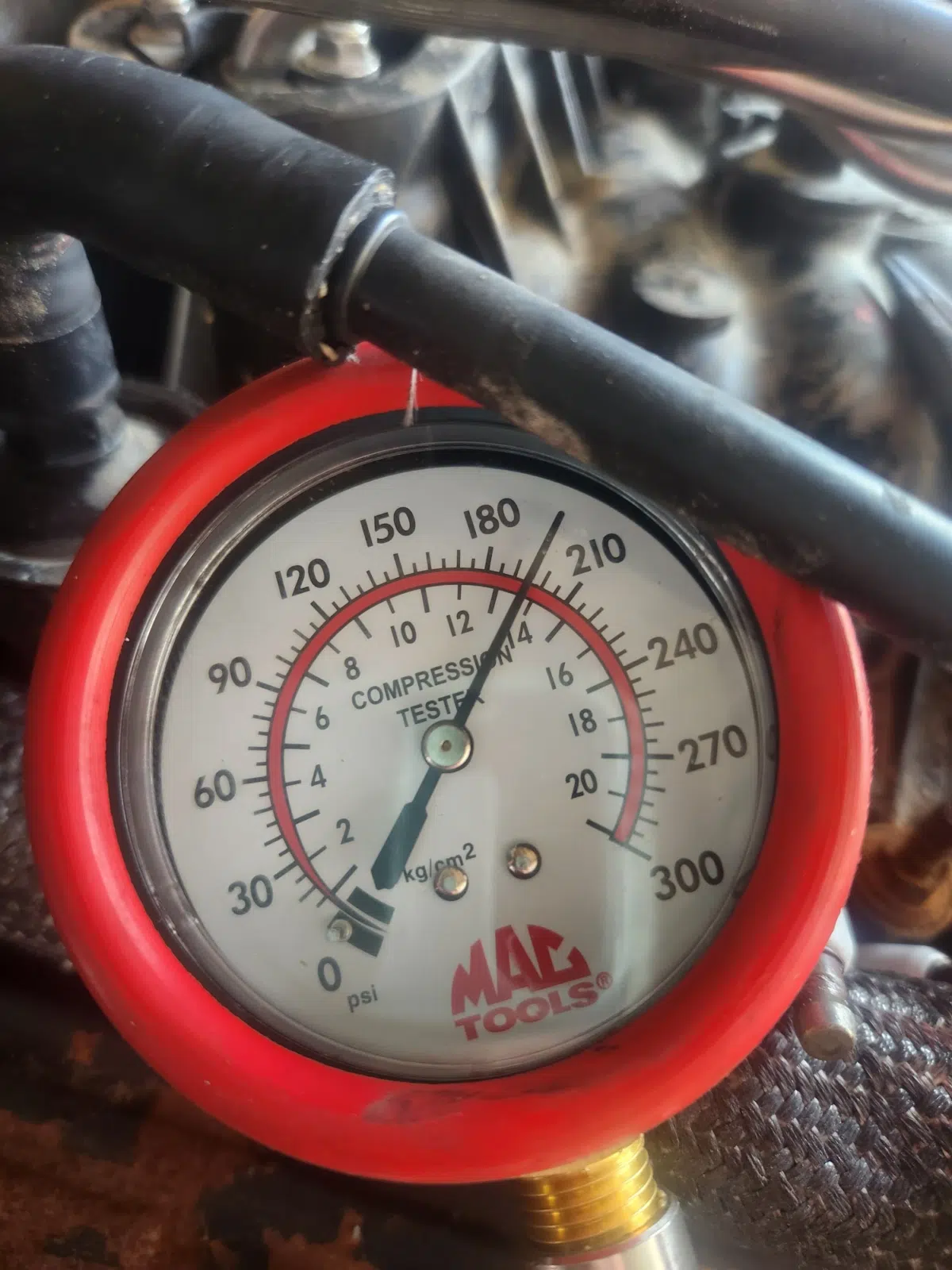
Compression tester gauge reading during a small engine test · Photo: Jeff Davis via Google Maps
Tri County Small Engine Repair pinpoints the fault before any wrench turns in Cape Coral. We test compression, spark, fuel flow and carburetion on mowers, generators and trimmers, explain the findings in plain English, and quote the repair up front. You decide what gets fixed.
Get a fast, honest quote
What are the key facts about Engine Diagnostics?
Price depends on
Type of equipment, intermittent problems, condition of the engine
Turnaround
Most diagnostics: same day to 2 days
Areas served
Cape Coral, Fort Myers, Lehigh Acres, Lee County and nearby towns
Contact
(239) 314-8365
What does Engine Diagnostics include?
- Spark, fuel, compression, and carburetor checks on two-cycle and four-cycle engines
- Spark plug replacement testing and ignition system inspection
- Compression testing to measure internal engine wear
- Fuel system service checks for stale gas, clogged lines, and filters
- A written explanation of the fault and repair-versus-replace guidance
- A clear cost estimate before any parts or labor are approved
What affects the price of Engine Diagnostics?
| Factor | Why it changes the work |
|---|---|
| Type of equipment | A push mower tests faster than a standby generator with electrical controls. |
| Intermittent problems | Faults that only appear under load need longer run tests to catch. |
| Condition of the engine | Seized or badly neglected engines take more teardown time to evaluate. |
| Depth of testing | Basic spark and compression checks cost less than full fuel-system tracing. |
| Scheduling demand | Peak yard and hurricane season can extend how quickly work gets scheduled. |
Where is Engine Diagnostics available?
We offer engine diagnostics to customers across the region. Tap any area for full local details.
What other services go with Engine Diagnostics?
What do customers ask about Engine Diagnostics?
Common questions and tips from our work with Cape Coral customers.
When is it worth fixing an engine instead of replacing it?
That call gets easier once you have real test numbers. A healthy compression reading on a four-stroke engine usually sits around 90 to 120 PSI, and a carburetor kit costs far less than a replacement engine. If the block, crank or valves have failed, replacement often wins. We run the tests first, then lay out both options with costs so the decision stays yours.
How long does a diagnostic take?
Most engine diagnostics take an hour or two, depending on whether the fault is simple or hides in intermittent running problems. Compression and spark tests happen quickly. Fuel-flow and carburetion issues can take longer because we may need to run the engine, let it cool and test again. We tell you the expected timeline when you drop the equipment off.
What should I bring with my equipment?
Bring the equipment itself, any gas that is in the tank, and whatever you know about the problem. Note when it started, whether it was stored outside, and if it sat through hurricane season without being started. A customer who says it ran fine last week but died mid-job gives us a much faster starting point than no detail at all.
Can I diagnose a small engine myself?
You can check the basics: fresh gas, a clean plug and a clear air filter solve a surprising number of complaints. Beyond that, a compression tester, spark tester and fuel-pressure checks tell you what a guess cannot. Two-cycle engines add a wrinkle, since stale fuel mix mimics carburetor failure. If the basics do not fix it, a shop with meters and experience saves time and wasted parts.
Old gas is the first suspect every time
Gasoline begins losing volatility within weeks, and fuel left in a tank over a Florida summer can gum a carburetor badly enough to mimic engine damage. Before assuming the worst, note whether the fuel is more than a season old. A diagnostic that starts with the fuel system often turns a scary-sounding problem into a modest repair.
Phone: (239) 314-8365